





So are skylights a good or bad idea?
It has been said that there are two kinds of skylights; those that leak, and those that are going to leak. This is not a true statement, but it is one that is derived from a truth of sorts. No, not every skylight will leak, but a lot of them will and a lot are going to look like they are leaking even when they aren't, as they are notorious for causing condensation issues - so learn how to deal with this here.
The problem is not necessarily a fault or defect during installation or manufacturing, but an issue of physics. Ignoring entirely the aesthetic appeal for a moment, the reality is that skylights will most likely be a big energy drain in any climate (due to causing added heating or cooling needs) and increasingly become a durability nightmare the further north you go.
Before listing off the problems, let me first say that I love skylights, or should I say I love the idea of them. I love natural light in general, and given the amount of time humans spend indoors I welcome features that make you feel a bit more like you are outdoors; skylights are great for that. If they are operational and within reach, they can also act as an exhaust vent in summer for releasing stale warm air.
The potential benefits of skylights are real, but that about does it for them. I very much enjoy sitting by a skylight in someone else's home but I don't want any skylights in mine - I've spent far too much time repairing the damage they've caused, either directly or indirectly, and my colleagues here at Ecohome agree.
The problem with a skylight is that it presents an entirely new series of challenges for a building envelope. New homes have ceiling insulation starting around R40, and finding roofs insulated as high as R60 and R70 is not that unusual anymore, nor is that much insulation overkill in a really cold climate. In contrast, a skylight will probably be rated somewhere between R3 and R5 if you're lucky. That is a seriously weak link in the chain.
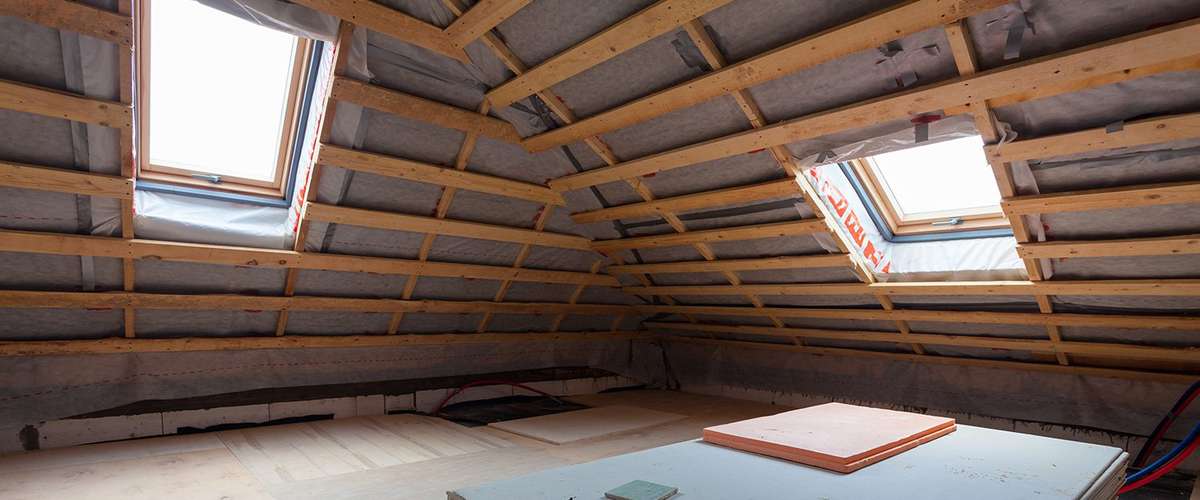
Since a skylight will be installed proud of the roof surface and ceilings are fairly thick in comparison, that usually leads to a deep cavity in the ceiling where there is a skylight. This adds to the dramatic and enjoyable effect, but also provides a perfect place for warm air to collect and to cause condensation.
Wherever there is a concentration of warm, humid air in a home there will be an increased rate of heat loss in winter. But the problem doesn't end there - when you get warm and humid air collecting by a cold surface (glass) and a basic wood frame which isn't as insulating as you might think, you have an increased risk of condensation forming.
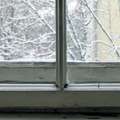
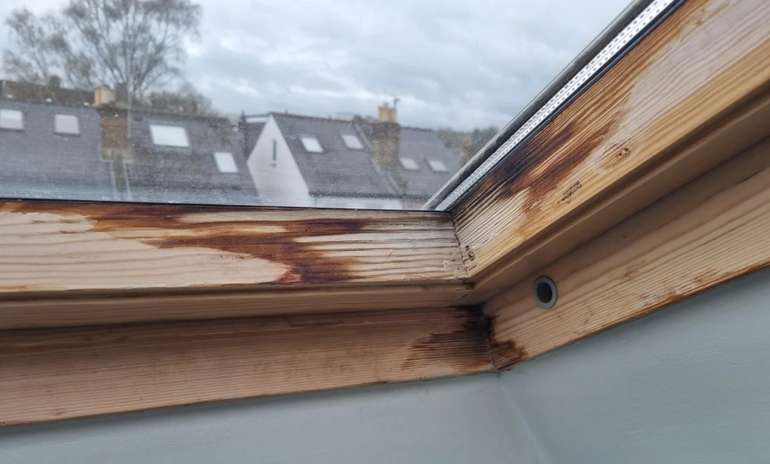
So here we get to the point about skylights leaking; just because you see drops of water running down the wall from your skylight doesn't mean it's leaking, that could just be condensation - either of which puts water where it shouldn't be, soaking into your roof assembly or drywall.
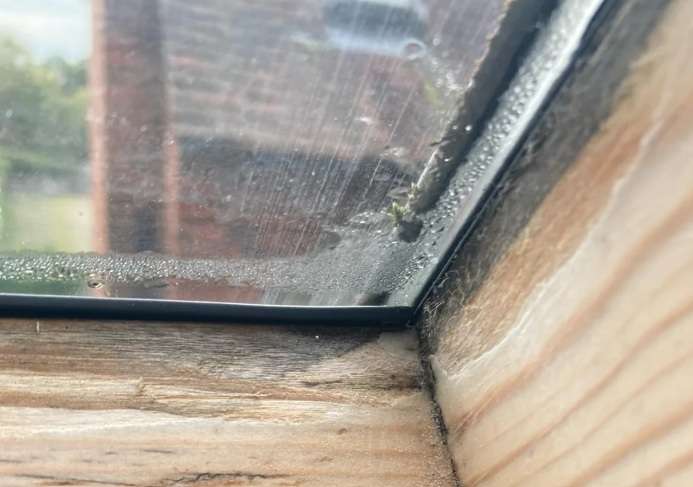
Skylight leaks might be condensation:
Since condensation occurs when warm, humid air meets a cold surface, warming that surface reduces the amount of moisture that will condense on it. Don't mistake that for meaning heat up there is a good thing; raising the temperature of the glass should come from having a third pane of glass, well-insulated frames and gas-filled chambers between panes.
Relative Humidity (RH) is also a factor - condensation is worsened by higher levels of humidity in homes. Lowering humidity levels should make a difference. To further reduce those risks, it's best not to install skylights near humid areas like kitchens and bathrooms, or worse still in bathrooms themselves. I mean, why would you even want a window in a bathroom? For bathrooms in attic spaces or in the interior of a home layout where there is no exterior window, install a sun tube instead and thank us later.
If you already have a skylight installed and it appears to be 'leaking', before you hire someone to jump on the roof and start solving problems that may not exist, put on your lab coat and try some interior forensics first. Is there a lot of condensation on it? Does it only seem to 'leak' in cold months even when there is no snow?
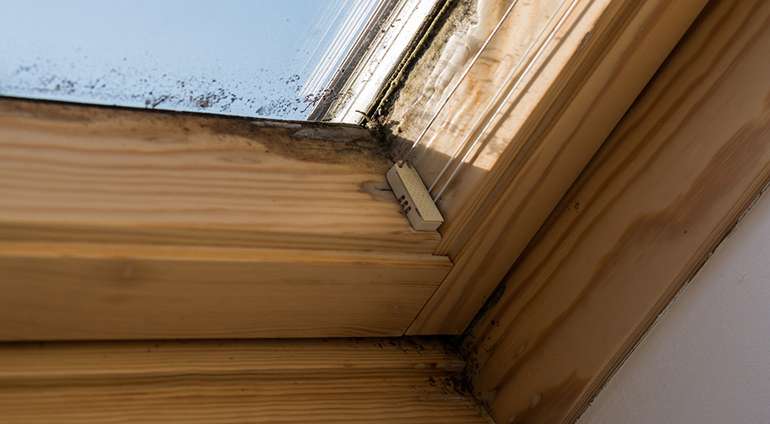
Those are indications that the solution may be found on the interior, not the exterior. Covering it with plastic will help, pointing a fan at it will prevent moisture from condensing, and for the interior conditions in general, lower temperatures and lower humidity would certainly help. Those are some interior solutions; if that doesn't solve your problems then you have business to attend to on the roof.
When skylights really are leaking:
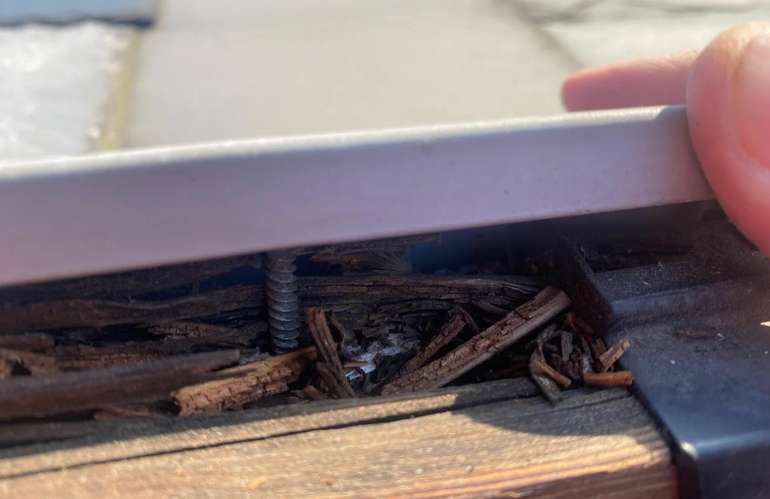
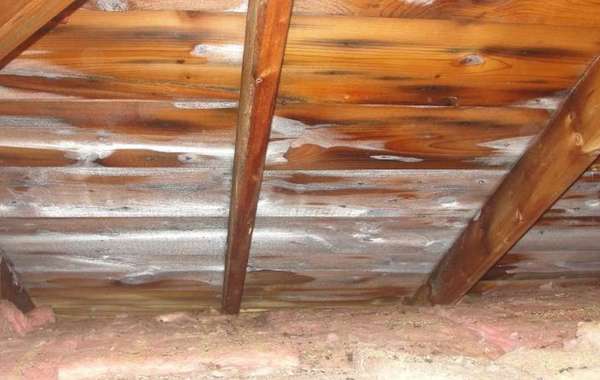
With skylights, even if you solve interior issues of condensation, you still have potential problems outside. The comparatively huge amounts of heat lost through skylights compared to the rest of your roof will melt snow and can lead to ice dams and consequently the dreaded leak. Ice damming & frost in attics can be problematic and should be fixed as it will often cause water to back up and possibly get past shingles and metal flashings. Also, if the skylight has defective or poorly fitted flashing and water starts to get into the building fabric, then this allows wood rot to get a hold and to degrade roof trusses or purlins and beams - which will then need expensive repairs.
Water and wood is a really problematic combination - and especially on roofs that have been converted into usable space with an attic room that can also be susceptible to extreme changes in temperature and warm humid conditions - no, if you're unlucky enough to have a leaking skylight, and especially one that you ignore for too long thinking it might just be condensation and that has been masked by the water falling onto the poly-vapor barrier which prevents it getting seen and dealt with quickly.
Skylights and energy efficiency:
Any way you slice it, the deck is stacked against skylights in terms of their energy performance. They will add a little bit of heat on sunny days in winter (with the right orientation and angle), but the heat they lose when the sun is down will far outweigh any heat they gain.
The real heat gain unfortunately comes in summer when you don't want it. The most common roof angles are a lower slope that don't work well with the angle of the winter sun. So skylights end up getting a lot more direct sun in summer than in winter, and for far more hours in a day. That added heat will be a burden on your air conditioning system if you have one, and your sweat glands if you don't.
Choosing the best skylight:
The first thing to realize is that getting the best skylight on the market will not 'save' you energy, it will help mitigate damage. The only way a skylight will save you energy and headaches is if you leave it in the store and don't mess around with the continuity of your roof.
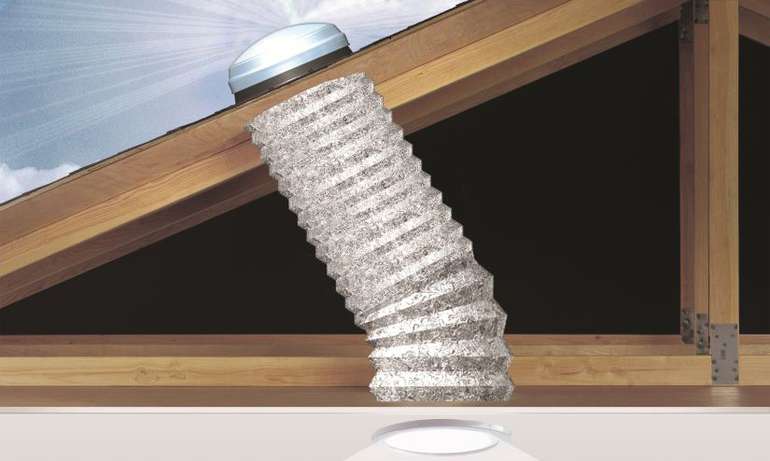
Instead of a skylight, consider a light well or sun tube
There is an alternative to skylights that you may be interested in exploring - tubular skylights, sun tubes or light wells. These are all types of sealed tubes that can bring natural light far into homes without being a tremendous energy drain or causing moisture damage. The mirrored interior of the tube can bring natural light down several stories from the roof, so they are actually more versatile than traditional skylights for providing natural light.
If you're still reading this far and you still want a skylight, at least pick one that will give you the least amount of grief. A triple-paned higher R value skylight will mean a bit less heat loss than a poor quality one, but more importantly it will reduce the risk of condensation problems as the surface of the glass will be a bit warmer.
Those are some of the realities surrounding skylights. There is no denying they create a really nice interior ambience, but they come with an energy cost and some physics problems in cold climates. If you are going to install one, knowing those challenges will help you rise to them.
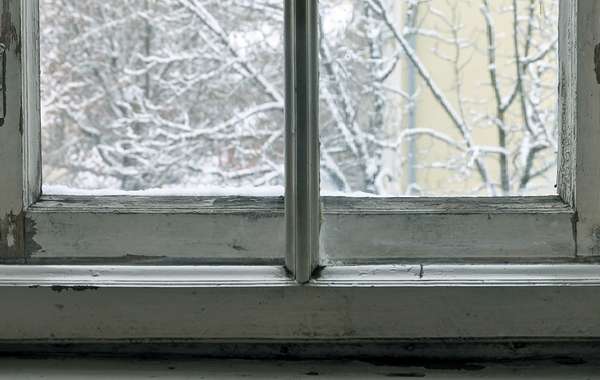
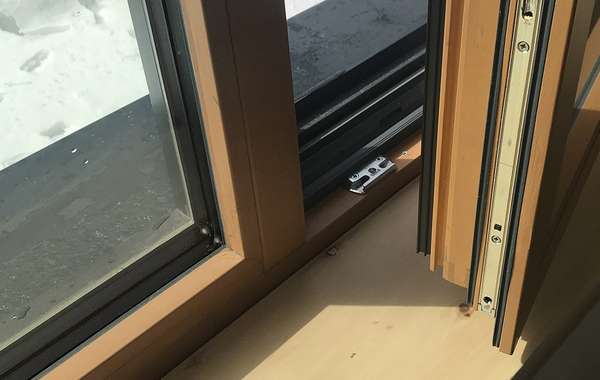
Any window or skylight is a breach in your building envelope, so great care should be taken for long term durability and performance. Below are some valuable tips for window installation.
Now you know about skylights, how to know if they are leaking and how to fix them. Find more pages about resilient home design in these pages and in the Ecohome Green Building Guide:
Learn all about the benefits of signing up for a free Ecohome Network Membership. |



There's a benefit to skylights that open that wasn't acknowledged here. Ever since I've had a skylight in my upstairs bedroom and also in adjacent bathroom, I've never had a summer night that was unbearable. Rarely do I even feel a need to use a fan. It's made a world of difference for comfort in the summertime.
Recently, I have begun to notice signs of moisture below the bathroom one, which fits with the picture included in this article. When I opened the window I discovered beads of moisture around the lip of the opening. I haven't been in the habit of using the exhaust fan but will definitely in the future now. In fact, I need to install a timer so I can run it longer conveniently. I take short showers only a couple times per week.
Excellent thoughts you have shared in this article, thanks.
I've been in the skylight industry for 19 years and the problem is there are to many bad examples where skylights do not meet requirements or are installed badly.
It's true that skylights often get a bad rap, and our article dives deep into the common challenges homeowners face, particularly with condensation and energy loss. However, as an expert, I want to add some nuanced perspective to the discussion, especially regarding the benefits and how to mitigate those issues for better performance and durability.
One significant pro that often gets overlooked is the stack effect for natural ventilation. An operable skylight at the top of a building acts as a natural exhaust vent, drawing warmer air up and out, and pulling cooler air in through lower windows. This "chimney effect" can dramatically improve summer comfort, reducing reliance on mechanical cooling. This isn't just anecdotal; it's a fundamental principle of passive cooling design.
While the article rightly points out the energy performance gap between a skylight and a well-insulated roof, it's also worth noting that advancements in skylight technology are slowly narrowing this gap. High-performance skylights with triple glazing, low-emissivity (low-e) coatings, and insulated frames can achieve significantly better R-values than the R3-R5 mentioned. While still not matching a solid R60 roof, choosing a high-performance unit can make a noticeable difference in reducing heat transfer and minimizing condensation risk by keeping the interior glass surface warmer.
The core issue of condensation and potential "leaks" (which are often condensation-related) is critical. As the article states, a well-insulated and air-sealed skylight shaft is paramount. This means meticulous attention to detail during installation, ensuring a continuous air barrier and ample insulation around the light well. This minimizes warm, humid interior air coming into contact with cold surfaces, which is the root cause of condensation. The importance of managing interior humidity cannot be overstated, especially in areas like bathrooms. Installing a timer for an exhaust fan is a simple yet highly effective strategy to remove excess moisture at its source.
Ultimately, while skylights present design challenges, they can be a valuable addition for enhancing daylighting and natural ventilation strategies, both of which contribute to healthier and more comfortable indoor environments. The key lies in selecting high-performance products and, more importantly, ensuring flawless installation with robust air sealing and insulation details to prevent thermal bridging and moisture issues. For those prioritizing natural light without the complexities, the article's suggestion of sun tubes or light wells remains an excellent, lower-risk alternative.
When well-planned and executed, a skylight can be a durable and beneficial feature, but it demands careful consideration of both product specifications and installation practices to avoid becoming a long-term headache.