Find Groundcover Plants products for green construction & renovation projects here
Enhance Your Landscape with Sustainable Groundcover Plants
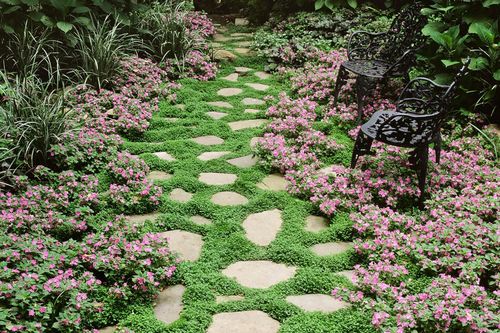
Beautify and Protect Your Yard with Low-Maintenance Groundcovers
Groundcover plants are an essential addition to any landscape design, offering beauty, practicality, and sustainability. These versatile plants are perfect for filling in areas of your yard that are hard to maintain with grass, preventing soil erosion, and adding a lush, vibrant look to your garden. Whether you’re looking to cover bare patches in your lawn, add a splash of color to your garden beds, or create an eco-friendly alternative to grass, groundcover plants provide numerous benefits.
Here are some of the key benefits of using groundcover plants in your landscape:
- Low Maintenance – Groundcover plants require minimal care compared to traditional lawns. Once established, many varieties need little watering, mowing, or fertilizing, making them an excellent choice for busy homeowners looking for low-maintenance landscaping
- Soil Erosion Control – Groundcovers are excellent for stabilizing the soil, especially on slopes or in areas prone to erosion. Their dense foliage helps hold the soil in place, preventing runoff and promoting water retention
- Weed Suppression – Groundcover plants form a natural barrier that blocks sunlight, which can prevent weeds from taking root. This helps reduce the need for herbicides and chemical weed killers in your garden
- Aesthetic Appeal – Groundcovers add texture, color, and visual interest to your landscape. They can be used to fill in spaces between larger plants, under trees, or along pathways, creating a cohesive and attractive design
- Drought Tolerance – Many groundcover plants are drought-tolerant, making them perfect for regions with low rainfall or for homeowners who want to conserve water in their landscape. These plants are hardy and can survive on minimal water once established
- Wildlife Habitat – Groundcovers can attract beneficial wildlife such as pollinators, birds, and insects, contributing to a healthy, balanced ecosystem in your garden. Some plants, like clover, even provide nectar for bees, while others create a safe habitat for small animals
- Versatile Uses – Groundcover plants can be used in a variety of ways, from covering large areas of your yard to lining garden paths or edges. Some varieties are even suited for planting in containers, providing a decorative and functional element in your garden or patio space
Whether you're planting a large area or filling in smaller patches, groundcover plants are a versatile and eco-friendly solution that can help reduce maintenance while enhancing the beauty of your outdoor spaces.
Where to Find the Best Groundcover Plants Near Me
Groundcover plants can be sourced from various local and online retailers, offering a wide variety of options to suit your landscape needs. Here are some of the best places to find quality groundcover plants near you:
- Garden Centers – Local garden centers are an excellent source for groundcover plants. These centers typically carry a range of plants suited for various climates and soil types. The staff can also offer helpful advice on the best groundcovers for your specific needs, whether you need shade-loving varieties or drought-tolerant options
- Home Improvement Stores – Large retailers like Home Depot, Lowe's, or Canadian Tire offer a selection of groundcover plants, including popular varieties like creeping thyme, clover, and sedum. These stores often have garden plants available year-round, making it easy to find groundcovers to suit your landscape project
- Online Nurseries and Plant Retailers – Online stores like Burpee, Gardener’s Supply Company, or Amazon allow you to browse a wide selection of groundcover plants with detailed descriptions, including ideal growing conditions and care instructions. Online shopping makes it easy to compare different varieties and have them shipped directly to your door
- Local Farmers’ Markets and Plant Fairs – Farmers’ markets and local plant fairs often feature native plants and groundcovers grown by local gardeners. These events are great for discovering unique varieties that may not be available in larger retail stores. Plus, you can often speak directly with the growers to get advice on how to care for your plants
- Specialty Plant Stores – Some stores focus specifically on native and sustainable plants, offering a curated selection of groundcovers that are well-suited to your climate and growing conditions. These retailers often prioritize environmentally friendly gardening practices and can help you choose plants that support local ecosystems
- Landscape Supply Stores – Landscape suppliers often carry a range of groundcovers, including larger quantities for bigger projects. If you’re working on a commercial landscape or large garden, these stores may have bulk options or wholesale pricing
- Botanical Gardens and Conservation Groups – Botanical gardens and environmental organizations sometimes sell plants, including native groundcovers, to support their conservation efforts. These plants are often well-suited to local conditions and can help restore natural habitats
- Nurseries Specializing in Native Plants – Local nurseries that specialize in native plants are a great resource for finding groundcovers that thrive in your region. Native plants are well-adapted to the local climate and soil conditions, making them easier to maintain and more beneficial to local wildlife
By visiting these retailers and exploring different options, you can find the perfect groundcover plants to suit your yard’s needs and your personal style.
Tips for Planting and Maintaining Groundcover Plants
Planting and caring for groundcover plants can be a simple and rewarding process, but there are a few key considerations to ensure success. Here are some tips to help you get the most out of your groundcover plants:
- Choose the Right Groundcover for Your Needs – Consider the growing conditions in your garden when selecting groundcover plants. Some groundcovers thrive in full sun, while others prefer shade or partial sunlight. Be sure to choose plants that are well-suited to the amount of light, moisture, and soil type in your yard
- Prepare the Soil – Before planting, prepare the soil by removing any weeds and loosening the soil to ensure good root penetration. You may also want to amend the soil with compost or organic matter to improve drainage and nutrient levels, especially if you’re planting in clay or sandy soil
- Plant in Clumps or Rows – When planting groundcover plants, space them according to the recommended distance on the plant label. Planting in clumps or rows will help the plants spread and fill in the area faster. For faster coverage, you can plant groundcovers more densely
- Water Well After Planting – Groundcovers need consistent watering after planting to establish their roots. Water the plants thoroughly and keep the soil moist, especially during the first few weeks, to help them settle in. Once established, many groundcovers become drought-tolerant and require less frequent watering
- Mulch to Conserve Moisture – Applying a layer of mulch around your groundcover plants can help retain moisture, suppress weeds, and maintain an even soil temperature. Organic mulches like wood chips or bark are great options that also enrich the soil as they decompose
- Prune and Maintain – While groundcover plants are generally low-maintenance, they may need occasional pruning to keep them in check. Trim back any excessive growth and remove dead or damaged leaves to keep the plants looking tidy and encourage healthy growth
- Monitor for Pests – Groundcovers can sometimes attract pests, especially if they’re planted in a high-moisture area. Keep an eye out for signs of insect damage and treat any pest problems early to prevent damage to your plants
With the right care and maintenance, your groundcover plants will thrive, providing year-round beauty, reduced maintenance, and sustainable solutions for your landscape.