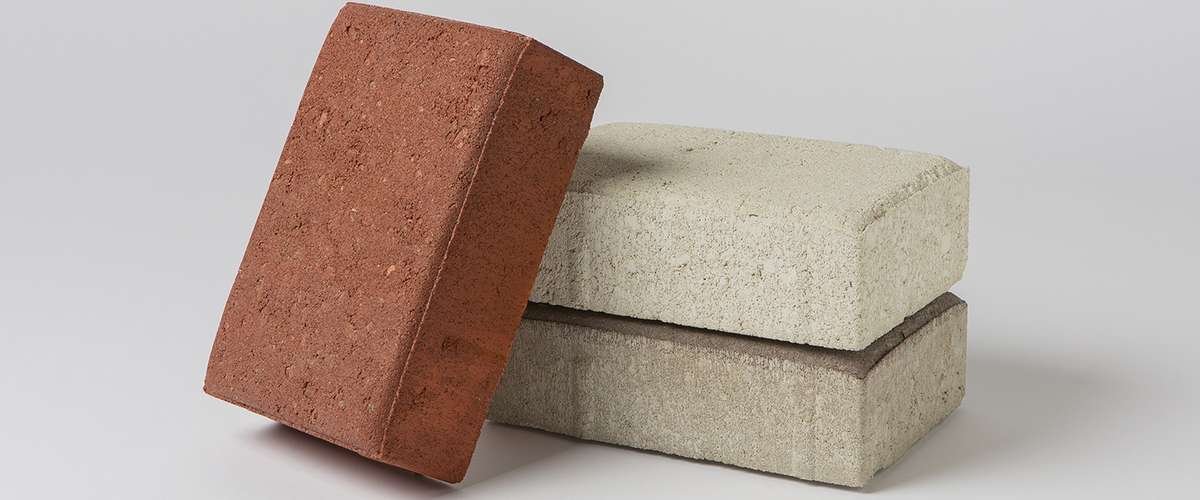

A new cement block manufacturing process developed by an American company named Solidia Technologies® produces 40% fewer emissions during manufacturing than conventional concrete, resulting in a dramatically lower environmental footprint. Solidia’s concrete is formulated with less lime and is cured at lower temperatures than similar products - 1250° C kiln temperature compared to the usual 1450° C.
Normal concrete production consumes an equal amount of water to solid material, which is necessary for the chemical reaction that causes the binders to react. Solidia concrete instead uses CO² captured from the combustion fumes at the industrial production site, which is then re-injected into the mix. That CO² is sequestered permanently in the material instead of being released into the atmosphere.
The cement reacts with carbon dioxide to form calcium carbonate (CaCo³) and calcium silicate (CaSiO³), which acts to harden the blocks. The reaction occurs in a closed chamber at a moderate temperature (60° C or lower) and at ambient pressure. Solidia’s concrete also hardens in less than 24 hours compared to conventional concrete, which takes several days to sufficiently harden.
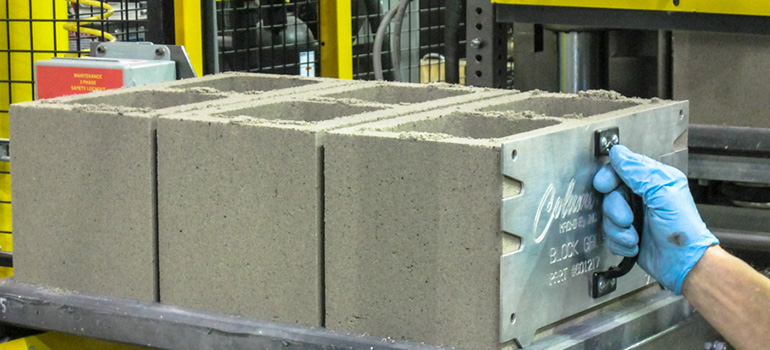
The end result is a 70% reduction in the total ecological footprint of conventional concrete, including 60 to 80% less water consumed. And what gives this product a huge advantage in the marketplace is that with lower material production temperatures, the manufacturing costs are actually lower.
Just 30 Solidia Concrete blocks will absorb 22 kg of CO² during the production phase (240 kg of CO² per 1000 kg of cement), which is equivalent to the absorption of a single tree in one year. (And talking of Trees, if you're more inclined to build or maintain a wooden deck, check out our 10 tips for building a green wooden deck here)
Other advantages:
- Reduced efflorescence as it is less porous, and absorbs less water than normal concrete
- Stronger and more abrasive resistant than standard concrete
- Improved durability: more resistant to cracking due to the freeze/thaw cycle
- Compatible with unconventional aggregates and recycled glass
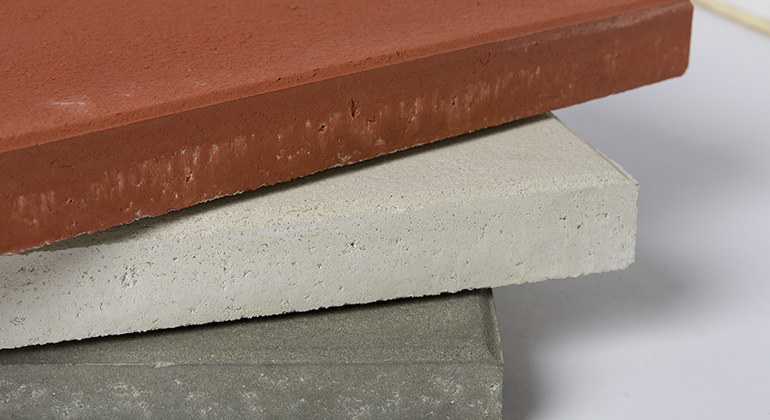
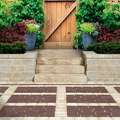
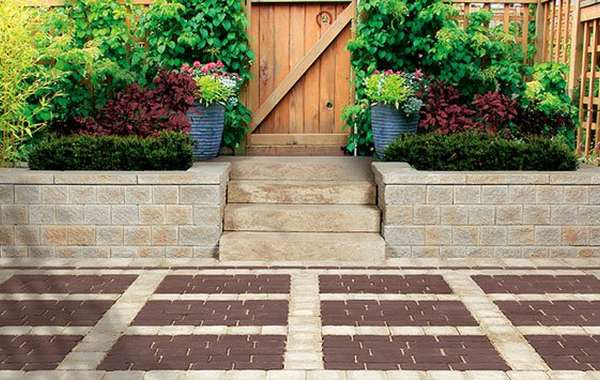
Don’t get your hopes up yet that you will be able to pour a basement or concrete slab with this; it must be cured in the factory, so its applications will be limited to paver stones and formed blocks.
Solidia Technologies® holds the exclusive rights to license the patent, although Lafarge has signed an agreement with Solidia in 2013 to market the product in North America and Europe. In a recent development, Patio Drummond in Quebec has started production of carbon-negative concrete CMU blocks for the North East of Canada and USA - see here. Prometheus is another American company that has developed a new zero-carbon concrete technology with microalgae.
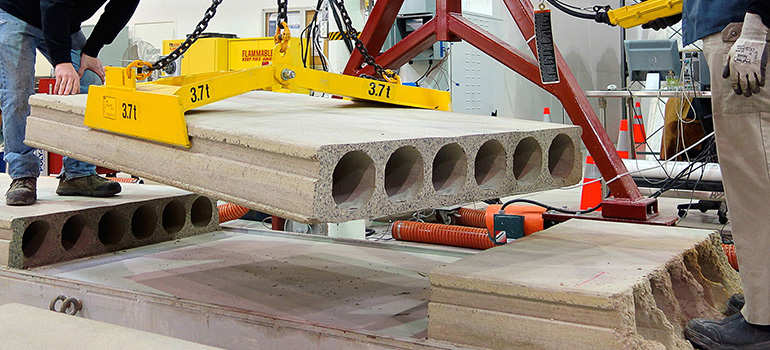
Now you know more about low-carbon concrete, learn more about energy efficient home building and how to reduce the carbon footprint of homes on the following pages and in the Ecohome Green Building Guide and these pages below:
Find more about green home construction and reap the benefits of a free Ecohome Network Membership here. |
Comments (0)
Sign Up to Comment